Ventech and Hydrology - A Case Study
It’s always fantastic to see our enclosures standing up to the test of time out in the wild.
The Mangemangeroa reserve hydro monitoring enclosure is a special bit of kit – designed to house the equipment for monitoring and tracking river levels, with low service visits and clean green power in mind..
We’re very fortunate in New Zealand - we get to experience some of the best places in the world, right in our backyard. On the flip side, we also get the extreme weathers of a tropical (ish) paradise.
Not many people are aware of this - but regional councils across New Zealand put in the hard yards monitoring, measuring, and tracking the waterways and ecosystems to keep them pristine. There is 1000s of remote sites all across New Zealand all meticulously checking river quality, aquifer levels, and flow speeds for all sorts of hydrological studies. What’s more, most of this data is publicly available.
This Herculean feat is no accident, real people get involved in collecting and using this data.
A couple of years ago we were contacted by the Auckland City Council looking for a solution for their hydrology monitoring equipment in Mangemangeroa Reserve. This east Auckland tidal estuary has a river in a remote location, not great for frequent site visits.
Whilst hydrology equipment doesn’t require an enormous amount of power, the daily check ins will run a battery down. So what do you do? Mount a solar panel to top off a battery cell.
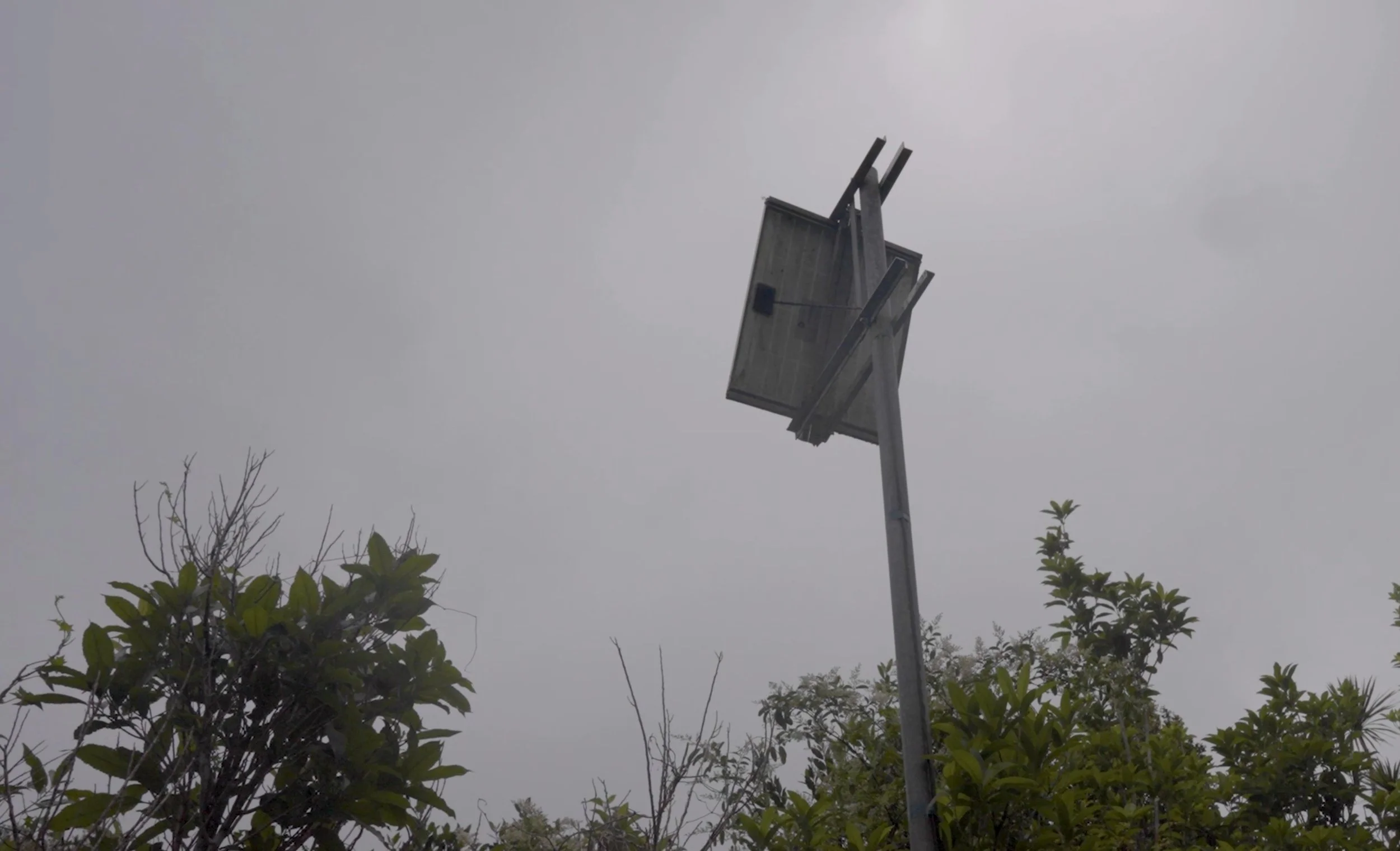
Unfortunately - it can’t always be sunny in Auckland!
The efoy
Auckland City Council, faced with this conundrum asked exactly that, what if the sun doesn’t shine? They contacted Alistair Jeffcoat, of PowerBox Pacific who offered up a Methanol fuel cell for alternative power.
This solution has allowed a reduction in service trips, only needing to replace a small canister of methanol on trips and not taking the risk of carting diesel through conservation land.
a purpose built enclosure
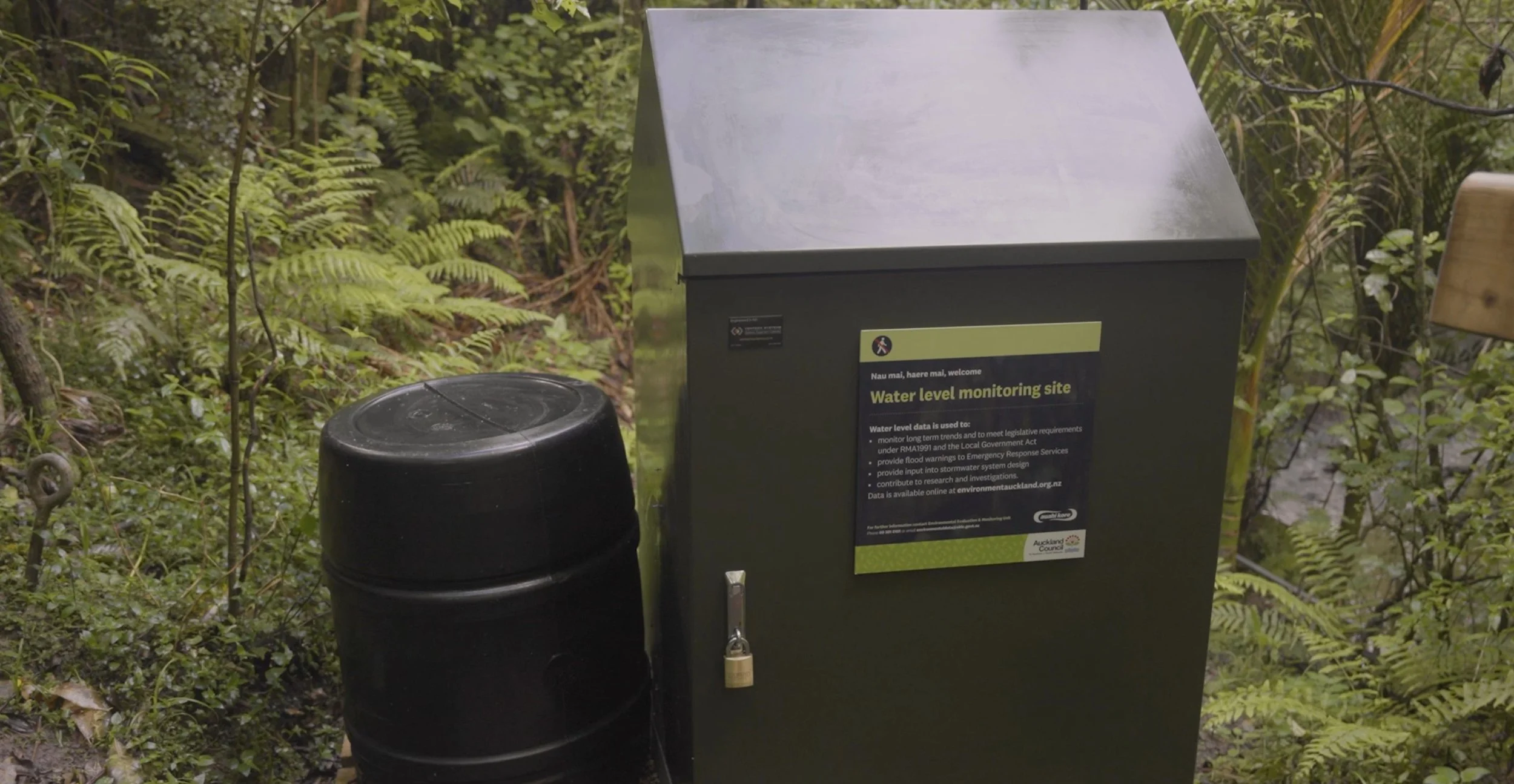
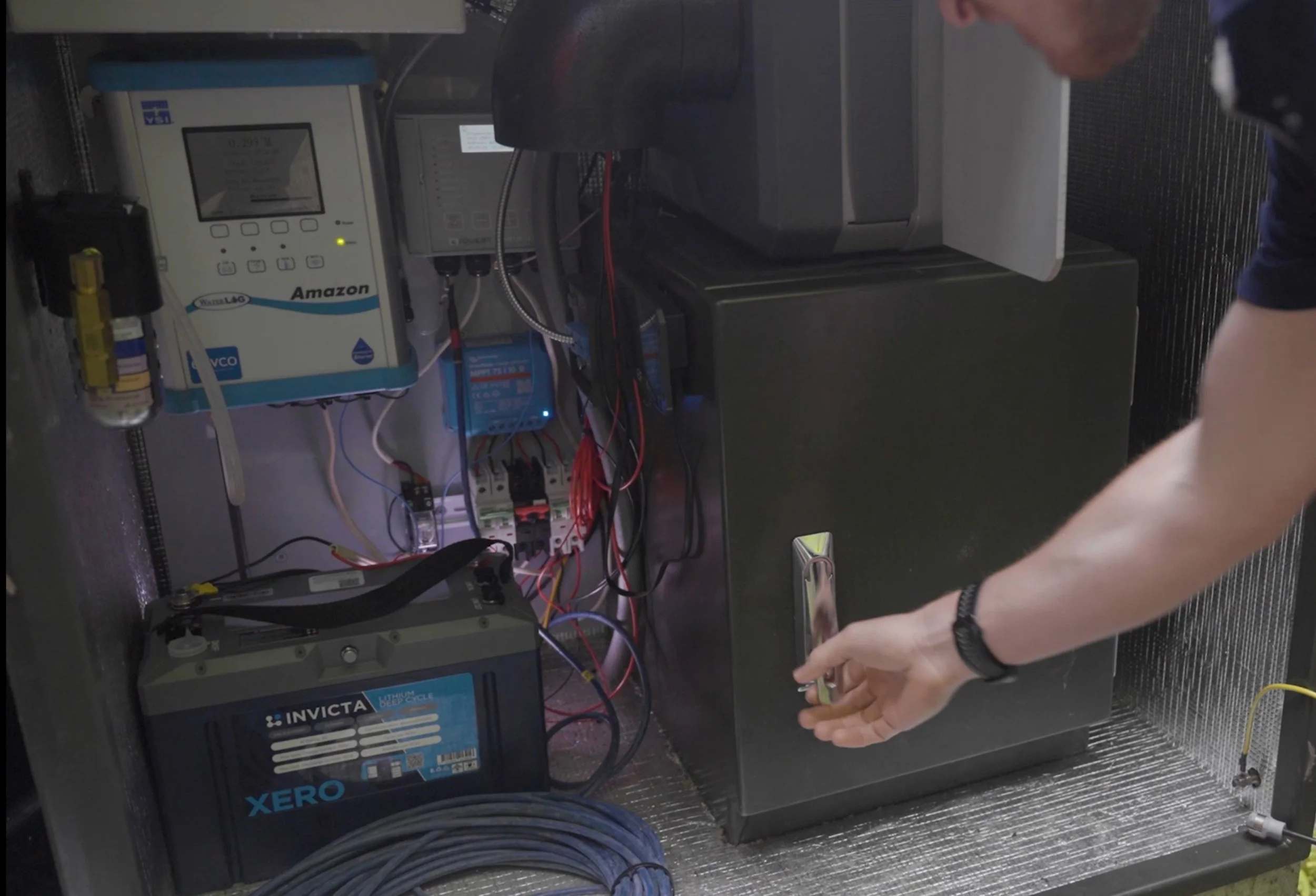
This sites enclosure is purpose built to house both the monitoring equipment, the battery, the fuel cell, and contains a second internal enclosure to keep the methanol fuel safe inside.
The enclosure also features our patented venting system technology. Under hood rooftop vents prevent rime ice and our ventilation system
keeps the internal temperatures within range for the EFOY cell and batteries recommended operation temperatures. This means they run better, for longer.
Methanol vs. diesel - why is it cleaner?
Clean energy sources is a endless study of opportunity costs. We can stick to the facts - methanol has a chemical structure that is absent of the sulfur and nitrogen groups that diesel contains. Diesel is a combination of lots of long chain hydrocarbons, and its distillation production process leaves many soot forming contaminants that are exhausted during combustion. These can be captured by filters after the fact, but that adds more maintenance to what is supposed to be a hands-off low maintenance location.
The real boon is when things don’t work out. Methanol is biodegradable, whilst a spill isn’t preferable, in the event that it does occur methanol is mixable with water, and disperses quickly wherein organisms eventually break it down into water and carbon dioxide. Diesel isn’t water soluble. If you’ve ever seen a multi-coloured sheen on top of water this is that - the effects of diesel, it sits on the water and can coat marine life.
Whilst diesel is approximately two times as energy dense per volume (you get more go for a liter) the tradeoffs in cleaner running and ecological impacts are simply worth it.
Protecting the Source - Extreme Equipment Enclosures
Regardless of the power source, many contain critical electronics that would much prefer to be out of the cold, the dust, the pollen, the heat, and the rain. The Ventech enclosure does exactly that. A standard line Ventech enclosure is IP 66 rated.
This means that it’s completely protected against dust ingress, and water jets from any direction - we’ve had them tested!
Our Auckland enclosure has been holding up well against the elements, and we were very happy to see it ticking a long years later.
Special thanks to Gunnar Schoenborn, Alistair Jeffcoat from PowerBox, SFC Energy AG and Auckland City Council for helping us put this together.